Written by Hugo Enrique Reyes Aldana
Many of us are familiar with the famous Roman saying “Mens sana in corpore sano”, which could be translated into “a healthy mind in a healthy body”, and almost sure there is a translation in your native language in case Latin nor English is one of them. This reflects the fact that even in ancient times the health of the mind was as important as the health of the body. But at some point, that shifted. Mental problems became something to be hidden or neglected.
One of the reasons why mental health was long disregarded in discussions of health is the stigma attached to mental illness. The stigmatization of mental illness has been pervasive and long-standing in many cultures, often leading to individuals suffering in silence and not seeking help. Unfortunately, this is particularly true in academia, where the pressure to succeed, the competition for funding and positions, and the constant need to publish can all take a toll on one’s mental health.
Academia is known for its culture of perfectionism, where mental toughness is often equated with success. This mindset can lead individuals to ignore their mental health needs and feel ashamed or weak for experiencing mental health challenges by fearing judgment or discrimination from their colleagues and peers if they talk about their mental health struggles.
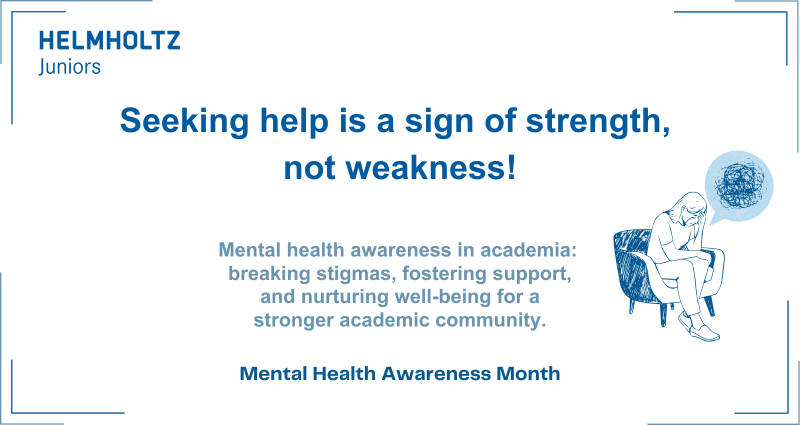
This stigma can have severe consequences, such as deterring individuals from seeking help, delaying diagnosis and treatment, and ultimately harming their overall health. To combat it, it is crucial to normalize discussions around mental health and acknowledge that challenges related to it are common and natural in academia. Seeking help is a sign of strength, not weakness.
Universities and academic institutions should prioritize resources and offer support for their students and staff. Mental health support should be easily accessible, affordable, and destigmatized. Additionally, research institutions should promote mental health awareness and provide education around to reduce the stigmatization of it and broaden its understanding.
It is also crucial to encourage open communication and support between colleagues and peers. Academic institutions should promote a culture of support and encourage individuals to share their mental health struggles with others, as sometimes building connections and empathize could help to ease the struggles. This can help reduce feelings of isolation and create a sense of community among those struggling with mental health challenges.
Academic institutions should also recognize and acknowledge the impact of academic stress and pressure on mental health. High-pressure academic environments can exacerbate existing mental health conditions or even create new ones. Therefore, it is essential to create a supportive and nurturing environment that prioritizes mental health and well-being.
For these and other reasons it that we as HeJus would like to contribute to this ongoing discussion and generate awareness during this month. Along it, we will be sharing content related to Mental Health that you will be able to find in the survey and well as our social media channels. So, remember to take care of yourself and your fellow doctoral researchers.